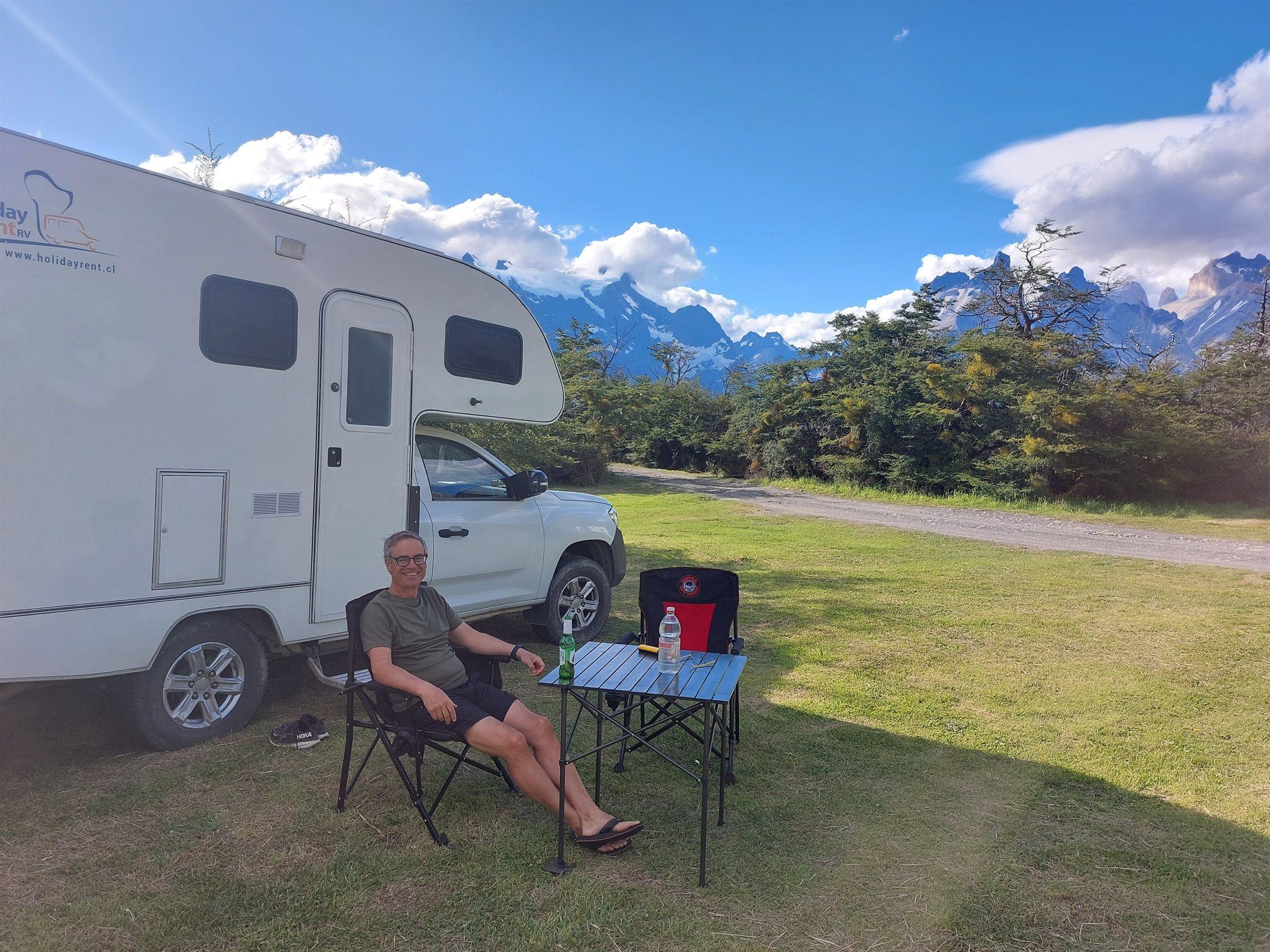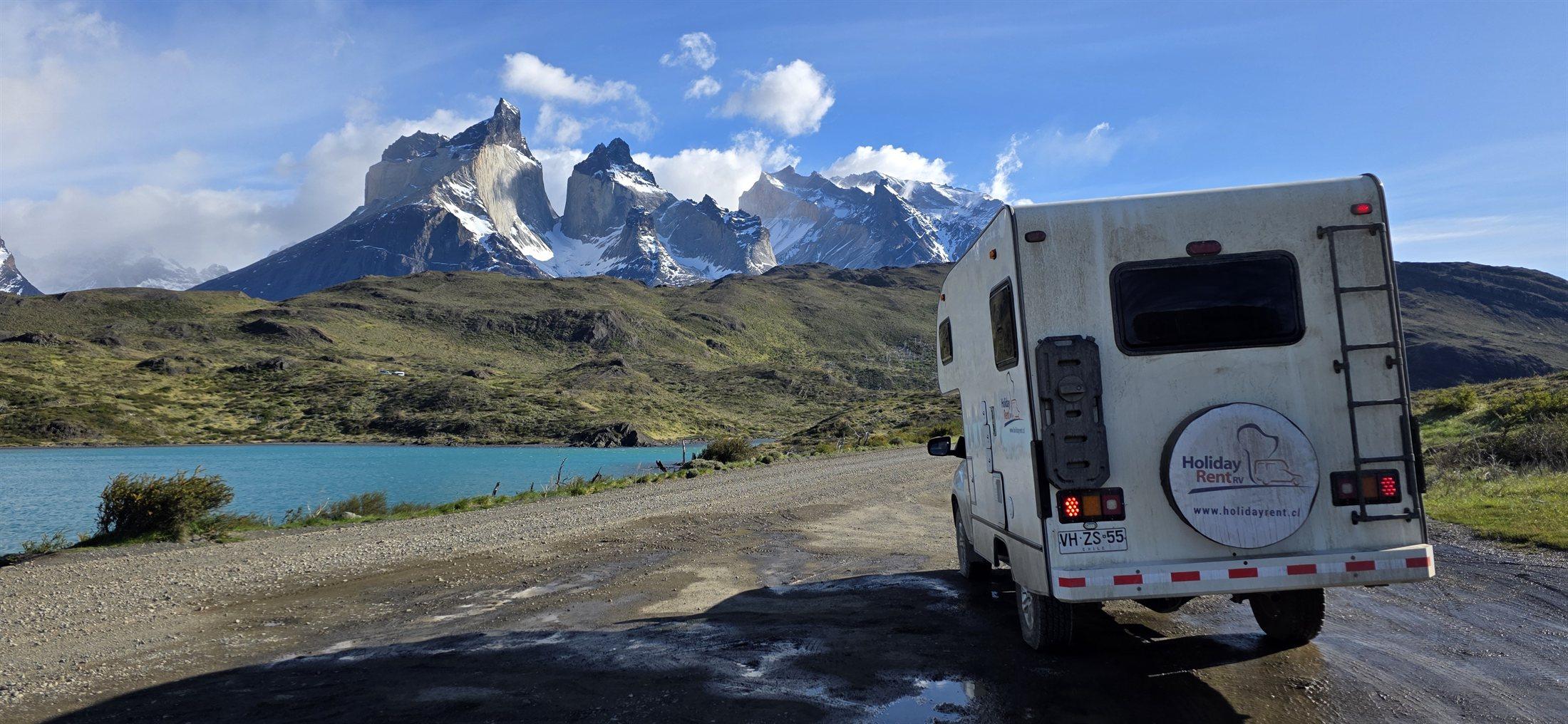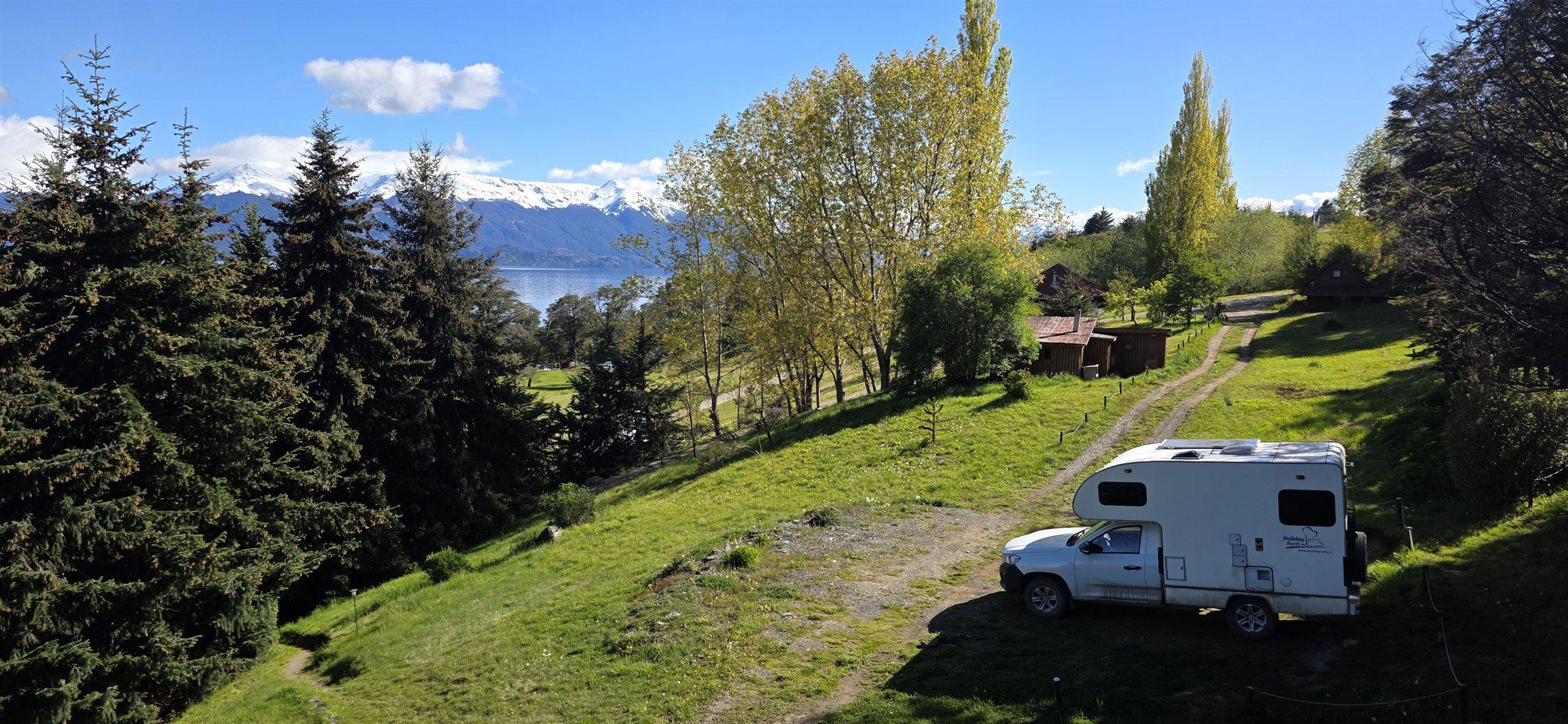
Chile and its neighbors offer much to discover with a camper. So that you can plan your trip as well as possible, we have prepared information and suggestions that will help you organize your expedition.
The route by zones
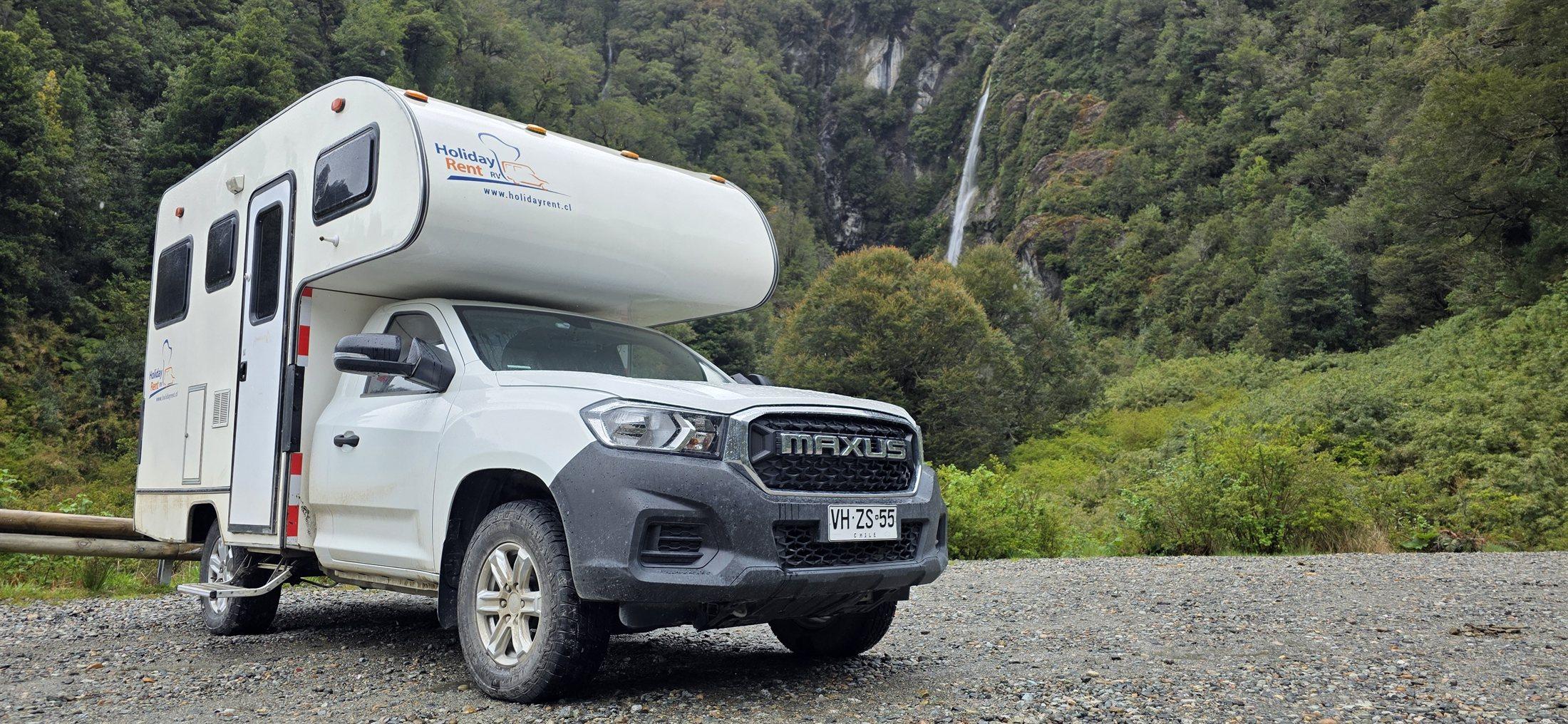
On the road
Documents: Personal: make sure your passport and national (and international) driver's license are valid. Vehicle: all vehicle documents, as well as the insurance premium required to cross borders, should be in the vehicle. After showing the documents requested by the police or at border crossings, make sure you get all the documents back; otherwise you will have problems at another control.
Speed: The maximum speed in cities is usually 50 km/h. On highways, it is generally 120 km/h; however, in a camper you should not exceed 90 km/h. On an unpaved road it is recommended not to exceed 60 km/h, regardless of the state of the route.
Wind: When it is windy, you will notice that the camper moves a lot. Drive carefully and moderate your speed according to road conditions and weather. Also, we warn you that when there is wind, much more fuel is consumed. Especially Patagonia is known for its strong winds.
Weather: Chile has four seasons and you have to be prepared for different temperatures. In the desert it can be hot during the day, but very cold at night. While the south is known for rainy days, when it is sunny it can be warm. Be prepared to bring appropriate clothing for the 4 seasons, such as a hat, rainwear, sunglasses and sunscreen.
Lights: By law it is mandatory to drive with the lights on (also during the day).
Tolls: Tolls along the route can only be paid in cash. In the Metropolitan Region it is paid automatically with the TAG system (this value is included in the rent).
Distances: Review and calculate the distances of your trips before departing, to make sure that you will have the necessary fuel and supplies, considering that there are some routes that do not have service stations or supermarkets to supply you.
Petrol stations: Many petrol stations also offer services for going to the bathroom, taking a shower and emptying grey and black water tanks. We recommend going to well-known service stations both in Chile and in neighboring countries.
Water: Drinking tap water generally does not present problems in Chile, but in other countries in South America we recommend you only drink bottled water. The water in the camper's tank –from the tap– will be used for cooking, cleaning, coffee and hot drinks.
Parking: Take the precaution of always parking in safe places –such as camping areas– and not leaving the vehicle alone on the streets, especially in big cities. If you want to leave it to visit other places, leave it in a safe and guarded area. Never leave visible valuables inside the camper or in the vehicle.
Take care of the environment: Save the garbage until you reach a suitable place to throw it away. Never leave your trash outside the camper (this attracts animals).
Where to camp?
During the winter months –low season– most of the camping sites are closed; however, it is allowed to park to camp in open places.
Camping areas in national parks and wilderness areas are recommended. Keep in mind that they have opening hours.
It is recommended to arrive before dark to the place where you are going to camp to spend the night.
In the guide "Turismo sobre ruedas" you can find more information about where to camp.
Border crossings
Do not bring fresh food (fruits, vegetables, meats and cheeses, among others) through the Chilean border crossings. It is not allowed to take out or enter fresh products from and to Chile.
Check the operating hours of the border crossings, since they do not operate 24 hours a day.
One or two days before the camper return date in Chile, make sure the border crossings are open; they could be closed due to weather conditions.
Queries about requirements to cross border crossings in Chile: PasosFronterizos.gov.cl · Peru border crossing information: www.peru.travel · Argentina border crossing information: www.argentina.gob.ar/seguridad/pasosinternacionales
Useful apps and links for your route
iOverlander app: Useful route information: natural camping sites, fuel stations, parking places and restaurants, among others.
Maps.me app: With your tablet or smartphone you can download maps offline.
SkyView app: Ideal for looking at and learning the names of constellations and thousands of stars, while camping.
Ready for this route?
Tell us your dates and we reply with a clear offer. Minimum rental of 15 days in high season and 7 in low season: real time to live it.